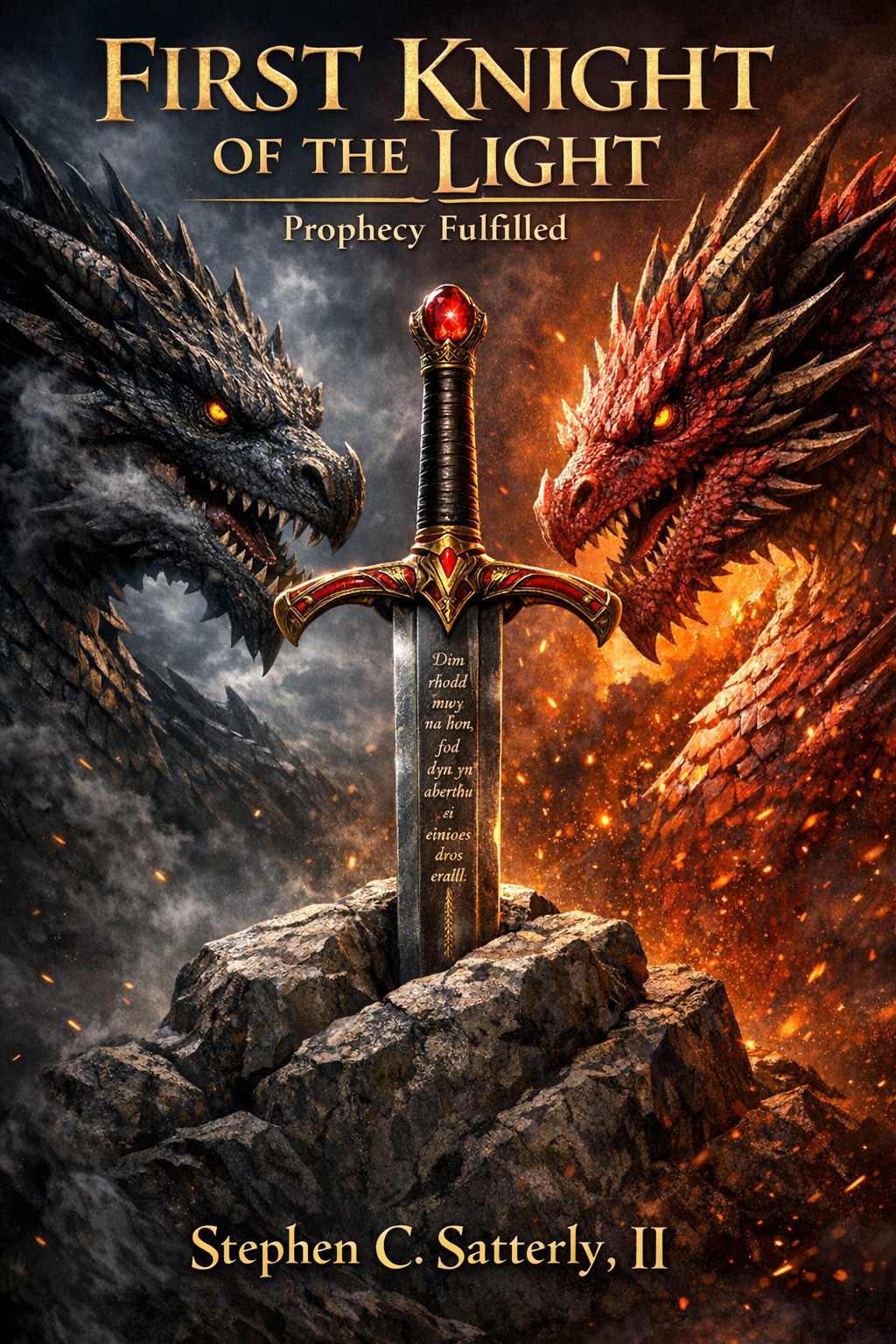
As you read these chapters, you will run across a few Welsh words and names. These will look odd to English-only readers. This guide helps readers enjoy the sounds of these ancient words.
Welsh consonants – like English, with the following exceptions:
c: hard, as in cat (never soft, as in ceiling)
ch: hard, as in Bach, (never soft, as in Charlie)
dd: stretch the sound out, as in then (never as in thief)
f: a v sound as in of
ff: f, as in off
g: hard, as in gamma (never soft, as Gerry)
ll: A distinctive Welsh sound, best formed by lightly placing the tongue on the roof of the mouth and lightly blowing air out of both sides of the tongue simultaneously
r: lightly trilled
rh: like hr, heavy on the ‘h’ sound
s: always sounds like sir (never drawn out like his)
th: short sounds like thistle (never drawn out like them)
Vowels – like English, but spoken lightly in short vowel sounds
a: as in father
e: as in get (when long an ‘ay’ sound as in gate)
i: as in bin (when long an ‘ee’ sound as in eat)
o: as in got
u: as in bin (when long an ‘ee’ sound as in eat)
w: a ‘double-u’ sound, as in vacuum, but becomes a consonant before vowels, like in
the name Gwen
y: as in pin, or sometimes as a ‘u’ sound as in but (when long an ‘ee’ sound as in eat)
(There is not much difference in I, u, and y – they are identical to the beginner)
Accent – normally on the next to last syllable, as in Diganhwy (Di-gán-hwy)
Diphthongs – each vowel is pronounced individually, so Taliesin = Tallyésin


Leave a comment