By Stephen Satterly, School Safety Monthly, October 2015
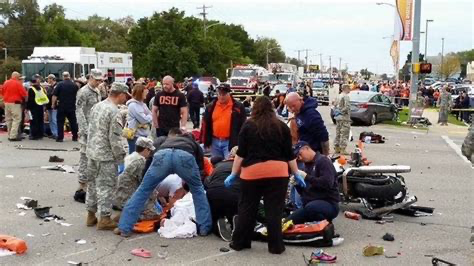
A beautiful fall day was the backdrop for a story that recently made national headlines. People had lined the roads in Stillwater, Oklahoma, to watch the homecoming parade. Suddenly, a car reportedly drove around barricades and slammed into some of the spectators, killing four.
This tragedy exemplifies the need for the All-Hazards approach to emergency planning in schools. Most places will not have a specific plan for vehicular attacks, but many will have a mass-casualty plan that can be used for any circumstance. This incident is a prime example of why this “ready for anything” type approach can be very effective when used properly.
The key to the All-Hazards approach is the use of responses common to many situations, such as evacuations (fire, utility failures, general emergencies) and lockdowns (active threats or other, more mundane situations requiring enhanced protection). An organization can plan and then practice these responses. When an incident occurs, the Incident Commander can determine the necessary responses, enabling the organization to respond effectively.
Schools that narrow their planning and responses to specific situations can hinder their responses in other areas. For example, we are finding that schools focusing on active shooters are struggling to effectively respond to incidents such as attempted suicides or severe weather. Except for the most common events, it is difficult to predict exactly what or how the next crisis will occur, but this approach allows us to be more well-rounded in our planning efforts. No school can plan for everything, but by planning and practicing a wider variety of responses, they will be better prepared to handle the unexpected.
Stephen Satterly, II, is a senior analyst with Safe Havens International. He is also a researcher and author. He can be reached at stephencsatterly2@gmail.com.
 Stephen C. Satterly, II - Author
Leave a comment